
Describe what changed
Warm flooring, unexplained water use, damp spots or running-water sounds help explain your concern. These signs do not confirm the source by themselves.
COLLIERVILLE, TENNESSEE · 38017
Warm flooring, unexplained water use or a hidden leak? Understand the next step before deciding on a repair.
Call to discuss your leak+1 (901) 389-1600Tell us what you are seeing. Start with a clear next step.
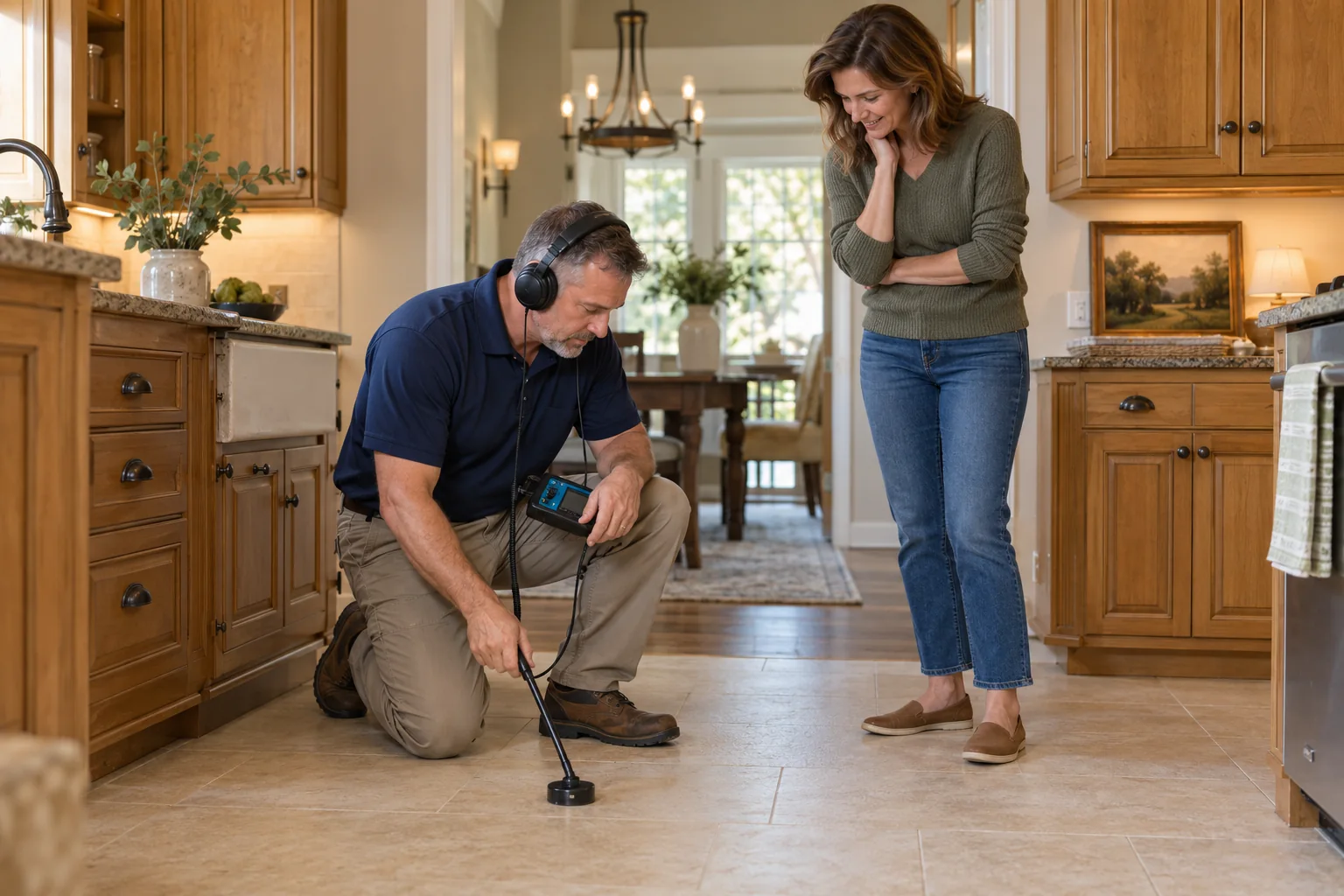
Warm flooring, unexplained water use, damp spots or running-water sounds help explain your concern. These signs do not confirm the source by themselves.
A provider can discuss testing to distinguish buried plumbing leaks from drainage, surface moisture or other problems.
Once the affected line is understood, discuss a spot repair, replacement or reroute before choosing the work.
Start with your concern. Each guide explains what to discuss before a repair begins.
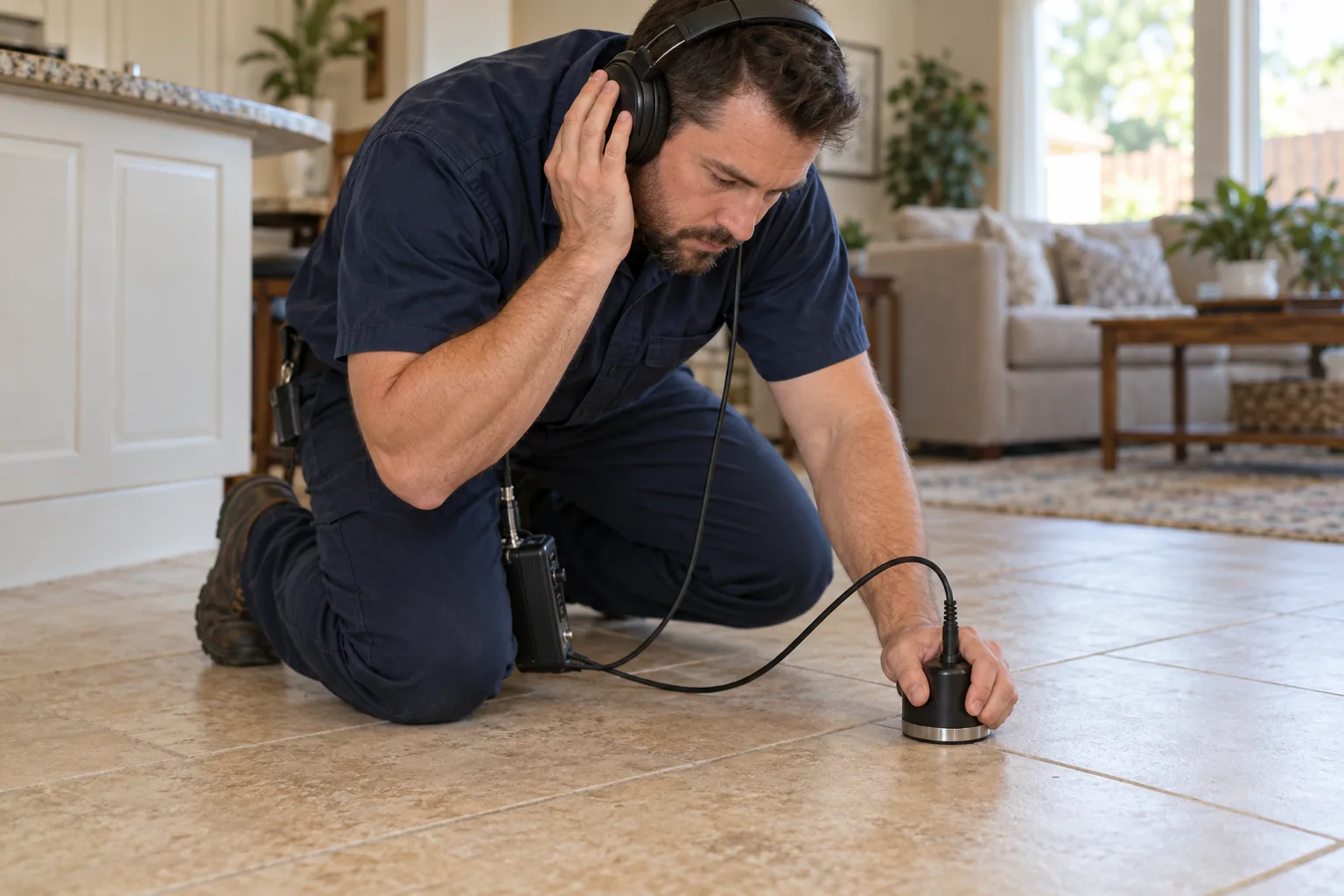
Find the source before choosing a repair.
Explore this problem →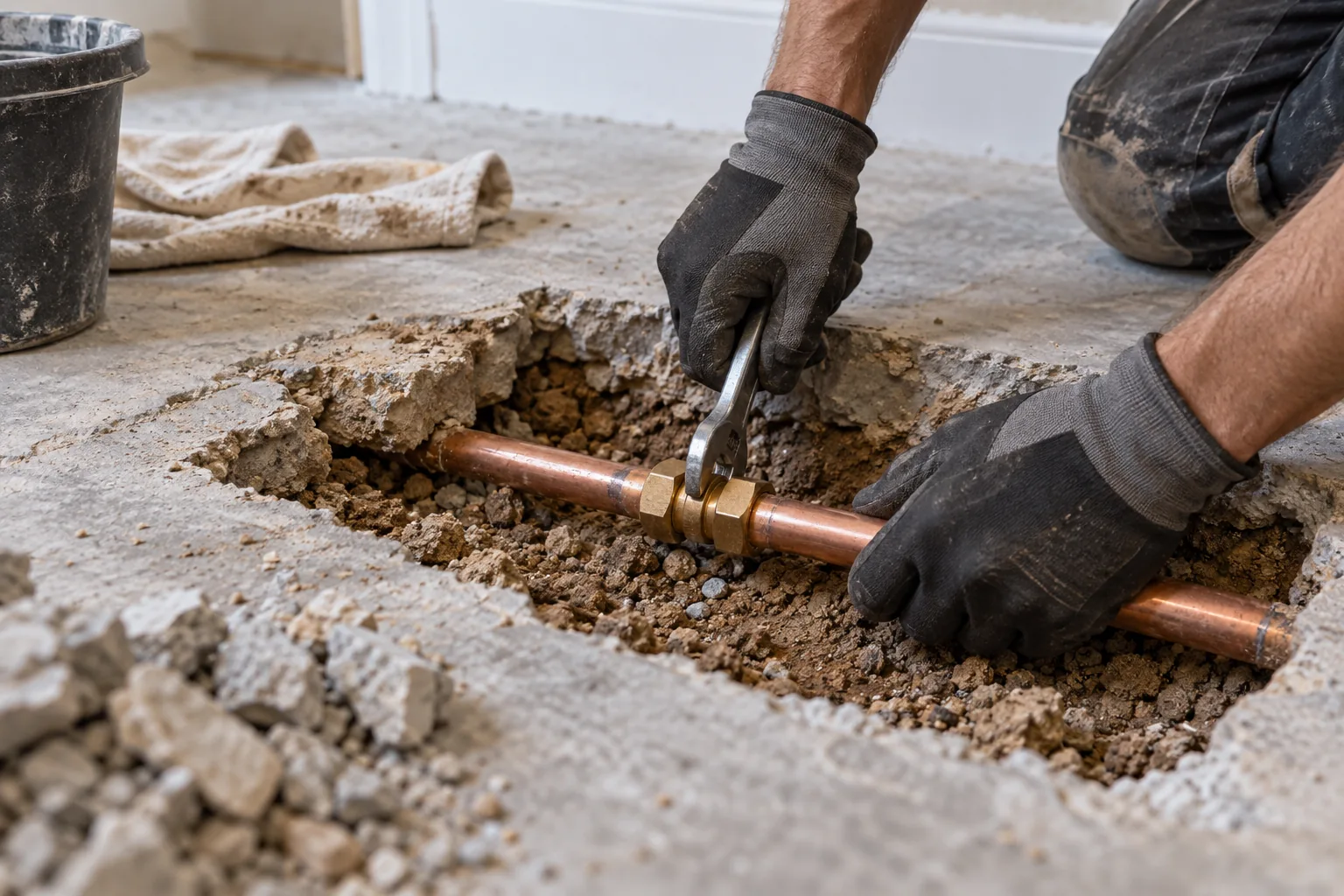
Understand a targeted repair and the access it may need.
Explore this problem →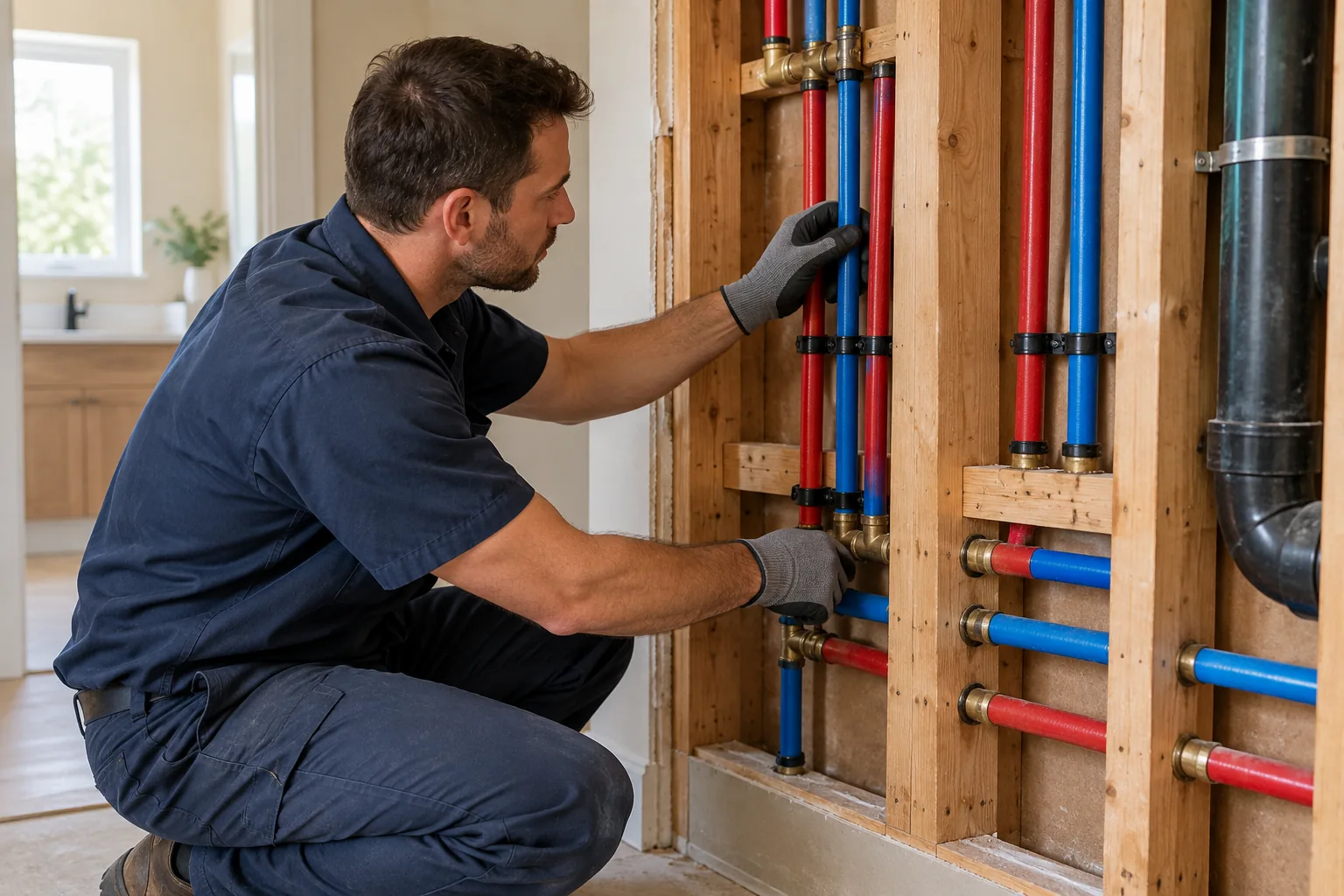
Explore alternatives when a buried line keeps leaking.
Explore this problem →Describe active water loss and discuss the next step.
Explore this problem →SYMPTOMS ARE CLUES, NOT A DIAGNOSIS
A slab leak generally means leaking plumbing beneath a concrete slab. An unexplained rise in water use, damp flooring or water sounds when fixtures are off may justify a closer look. A visible crack alone does not identify a leaking pipe.
Read the warning-sign guide →A CONVERSATION BEFORE A COMMITMENT
Tell us where you are in Collierville and what has changed. A warm patch of flooring, unexplained water use or a sound of running water can each help describe the concern. Explain whether water is actively escaping, then ask about assessment, timing and the next step.


Our location guide includes the Town Square area, Schilling Farms, Halle Plantation and Wellington Farms. Give your neighborhood and street location when you call. Also mention previous repairs and any finishes you want to protect.
The most useful assessment considers your home’s symptoms, pipe layout and access together. These details help explain why one repair approach may be more suitable than another.
Explore the local-area guide →The right repair conversation starts with the affected line, the access needed and what happens after the pipe work.
Discuss a targeted repair when damage appears limited to one area. Ask how the location was confirmed and what floor access and restoration are included.
Understand targeted repairs →If the same buried line keeps causing problems, compare a new route with another opening in the floor. Discuss the proposed path and the fixtures affected.
Explore rerouting →Ask what evidence supports replacing a longer section and how the work differs from whole-home repiping. Clarify testing, interruption and finishing work.
Compare the scope →No. Floor temperature can change for several reasons. A warm spot combined with unusual water use or a sound of running water warrants investigation, but testing is needed to confirm a plumbing leak.
Not necessarily. Access depends on the pipe location, condition and repair approach. Detection may narrow the search area; a repair may still require an opening or a different pipe route.
Ask about both when a line has leaked repeatedly, access is difficult or an assessment raises concerns about more than one section. The choice depends on the pipe and your home.
Your street location, when the symptoms began, whether water is actively escaping and any previous plumbing repairs are useful starting points.