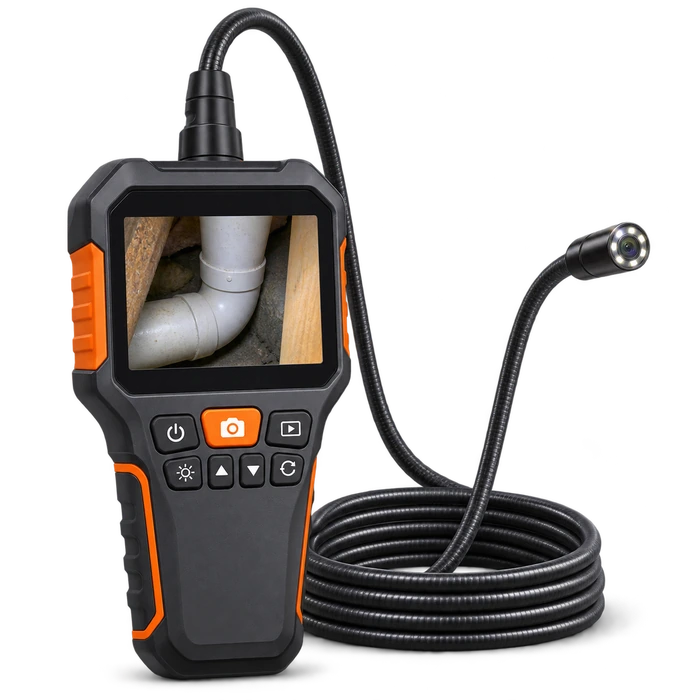
Accessible visual checks
Inspection Borescope Camera
Helpful for viewing hard-to-reach accessible areas such as behind appliances or inside access openings. It does not replace professional slab-leak detection.
See on Amazon ↗GUIDE · SUPPLY VS DRAIN
Homeowners often want to know whether the hidden problem sounds more like a pressurized supply leak or a drain leak. This guide explains the typical differences in simple terms.
Callers can still confirm assessment charges, provider availability, and repair scope directly on the call.
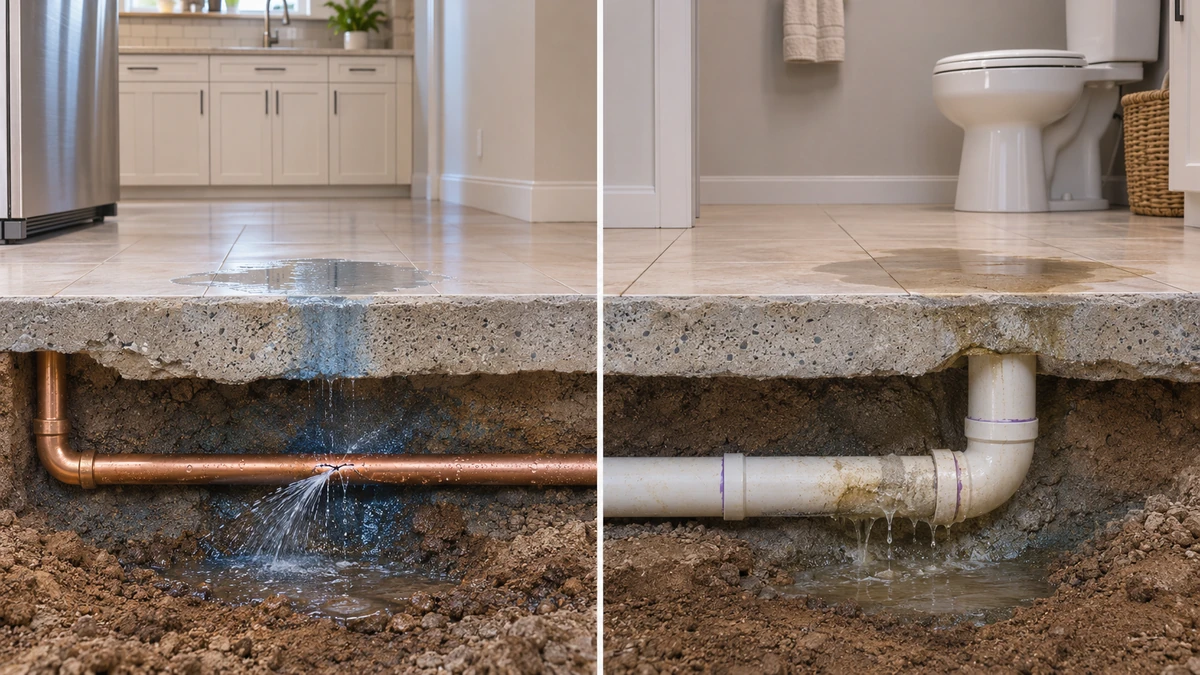
A slab leak often refers to a pressurized water-supply pipe leaking beneath or near the slab. A drain leak, by contrast, involves wastewater piping and usually behaves differently. The distinction matters because detection methods, urgency, and repair options may not be the same. A homeowner does not need to diagnose it alone, but recognizing the patterns can lead to a better initial call.
These clues point toward fresh-water movement, which is one reason supply leaks often show up in meter checks.
Drain-side problems may still require professional evaluation, but the pattern is often different from a pressurized line leak.
Providers may use a combination of symptom review, meter behavior, fixture isolation, acoustic listening, pressure testing, camera work in accessible drainage paths, or other diagnostic steps. The right method depends on the symptoms and the accessible evidence in the home. The goal is to confirm the pipe system involved before recommending the repair approach.
These are optional homeowner tools that fit the questions raised in this guide. They are not a substitute for professional diagnosis or repair decisions.
Affiliate disclosure: As an Amazon Associate I earn from qualifying purchases. These links may generate a commission at no additional cost to you.
Helpful for viewing hard-to-reach accessible areas such as behind appliances or inside access openings. It does not replace professional slab-leak detection.
See on Amazon ↗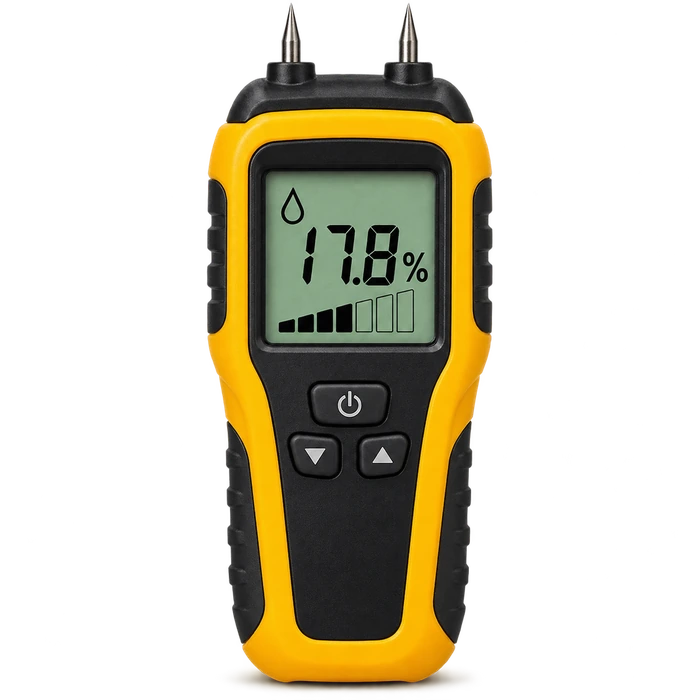
Useful for checking accessible drywall or trim when you are documenting visible dampness. It cannot identify a buried pipe failure by itself.
See on Amazon ↗A slab leak usually involves a pressurized fresh-water pipe, while a drain leak involves wastewater piping and often behaves differently.
A moving meter can support the idea that fresh water is flowing somewhere, which leans more toward a supply-side issue.
Not in the same way a fresh-water supply leak does. Pressure loss is more closely associated with the pressurized water system.
Potentially, yes. The diagnostic approach depends on whether the provider suspects a pressurized line or a drain path.
Usually not. A homeowner can observe patterns, but the provider still needs to confirm the system involved.
Explain whether the meter moves, when symptoms appear, which fixtures seem related, and where you notice moisture or odor.