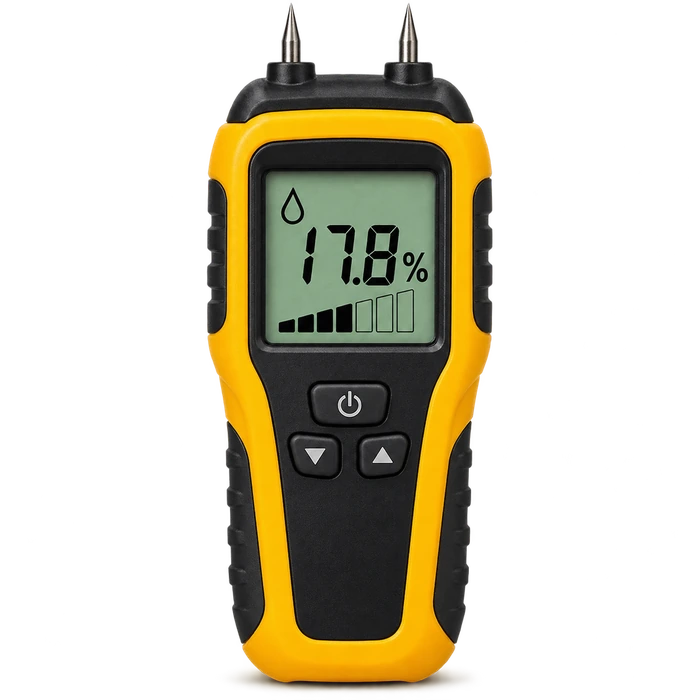
Moisture documentation
Digital Moisture Meter — Compare Models
Useful for checking accessible drywall or trim when you are documenting visible dampness. It cannot identify a buried pipe failure by itself.
See on Amazon ↗GUIDE · COST AND SCOPE
A slab-leak quote is easiest to compare when you understand the scope behind the number. Use this guide to see what homeowners commonly need clarified before approving work.
Callers can still confirm assessment charges, provider availability, and repair scope directly on the call.

Two slab-leak proposals may look very different even when they are both addressing the same symptom. One estimate may cover only locating the damaged section and making the pipe repair. Another may include access through flooring, temporary water management, drying recommendations, or a reroute discussion if the original line is difficult to reach. The most helpful comparison is not the total number alone — it is whether both quotes describe the same scope.
If you are comparing options, ask which part of the home is affected, how the provider expects to access the pipe, and whether restoration or finish work is outside the plumbing scope. The clearer the scope, the easier it is to compare proposals fairly.
A short estimate can still be valid, but it helps to know what is assumed and what is not included.
Ask what evidence points to this being the best repair choice, what alternative options were considered, and whether the recommendation changes if another weak section of pipe is discovered. If the work involves access through the slab or finished surfaces, ask who handles each step after the plumbing repair is complete. These questions do not challenge the provider — they help you compare decisions on the same basis.
Important: SlabRoot Plumbing does not publish fixed prices or guarantees. Independent providers discuss pricing, scope, and timing directly with the homeowner.
If a leak is located under a difficult area, or if the pipe material has a history of repeated failures, a provider may explain why rerouting or a broader replacement path is being considered. That does not automatically make rerouting the right choice, but it is a sign that the decision is about long-term access and repeat risk, not only the immediate leak.
These are optional homeowner tools that fit the questions raised in this guide. They are not a substitute for professional diagnosis or repair decisions.
Affiliate disclosure: As an Amazon Associate I earn from qualifying purchases. These links may generate a commission at no additional cost to you.
Useful for checking accessible drywall or trim when you are documenting visible dampness. It cannot identify a buried pipe failure by itself.
See on Amazon ↗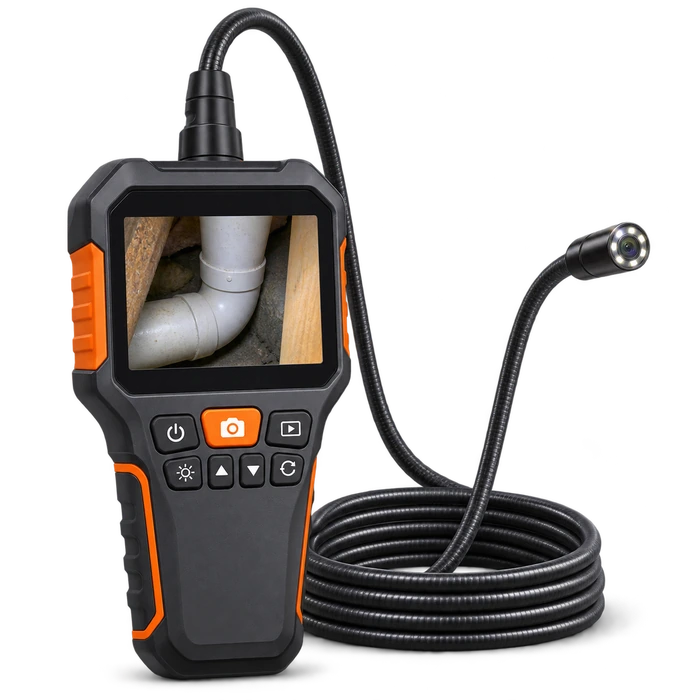
Helpful for viewing hard-to-reach accessible areas such as behind appliances or inside access openings. It does not replace professional slab-leak detection.
See on Amazon ↗They may include different scopes. One estimate might focus only on pipe repair, while another also addresses access, rerouting, or excluded restoration work.
No. Compare the proposed repair method, what access is included, whether finishes are excluded, and whether the same assumptions are being used.
Not necessarily. It may reflect a broader scope, but it still needs to be explained clearly so you know what you are comparing.
A provider can discuss the situation, but firm pricing usually depends on assessing the leak location, access, and scope directly.
Usually when access is difficult or when repeated problems make a spot repair less attractive than another long-term approach.
No. Independent providers discuss pricing directly with homeowners after reviewing the problem.