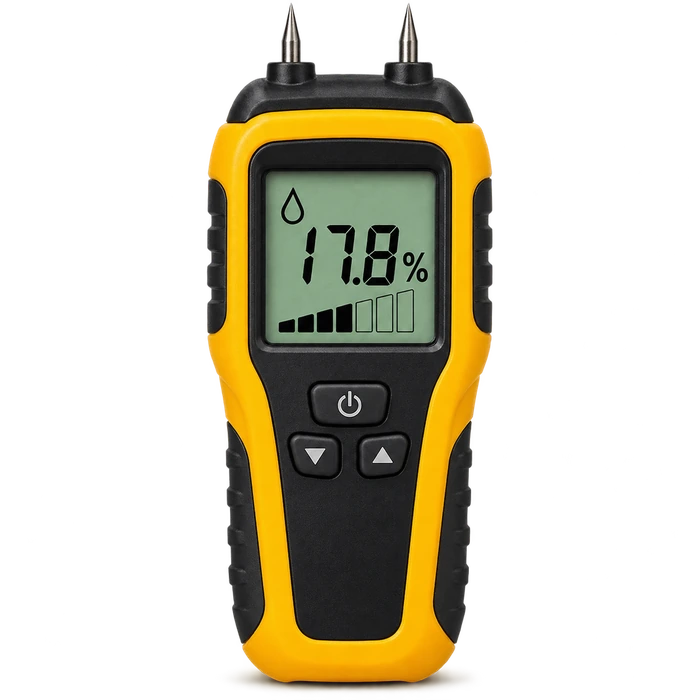
Moisture documentation
Digital Moisture Meter — Compare Models
Useful for checking accessible drywall or trim when you are documenting visible dampness. It cannot identify a buried pipe failure by itself.
See on Amazon ↗GUIDE · INSURANCE QUESTIONS
Coverage conversations often depend on the policy wording and what kind of damage is being discussed. This guide helps you prepare better questions before you call.
Callers can still confirm assessment charges, provider availability, and repair scope directly on the call.

Insurance conversations often separate the plumbing failure from the resulting damage. A policy may treat the pipe repair differently from flooring damage, drywall damage, or drying work. Some policies exclude certain causes, while others depend on endorsements, access language, and how the damage is documented. The practical takeaway is that the question is usually broader than simply asking whether a “slab leak” is covered.
Before assuming a yes or no answer, review your declarations page, deductible, and any water-damage exclusions or special endorsements.
Good documentation helps you explain the situation clearly to both the provider and the insurance representative.
Ask whether the policy distinguishes the pipe repair from resulting damage, whether access through slab or finishes is addressed, and what documentation is needed before repairs begin. If emergency drying or mitigation is discussed, ask whether that type of work follows a separate claim process. A calm, organized call often gets better answers than trying to summarize everything from memory.
A plumber can describe the location of the leak, the access needed, and the recommended repair method. The provider usually cannot promise what your insurer will reimburse. Keeping those two conversations separate helps avoid confusion: the plumber explains the repair scope, and the insurance company explains the claim process under your policy.
These are optional homeowner tools that fit the questions raised in this guide. They are not a substitute for professional diagnosis or repair decisions.
Affiliate disclosure: As an Amazon Associate I earn from qualifying purchases. These links may generate a commission at no additional cost to you.
Useful for checking accessible drywall or trim when you are documenting visible dampness. It cannot identify a buried pipe failure by itself.
See on Amazon ↗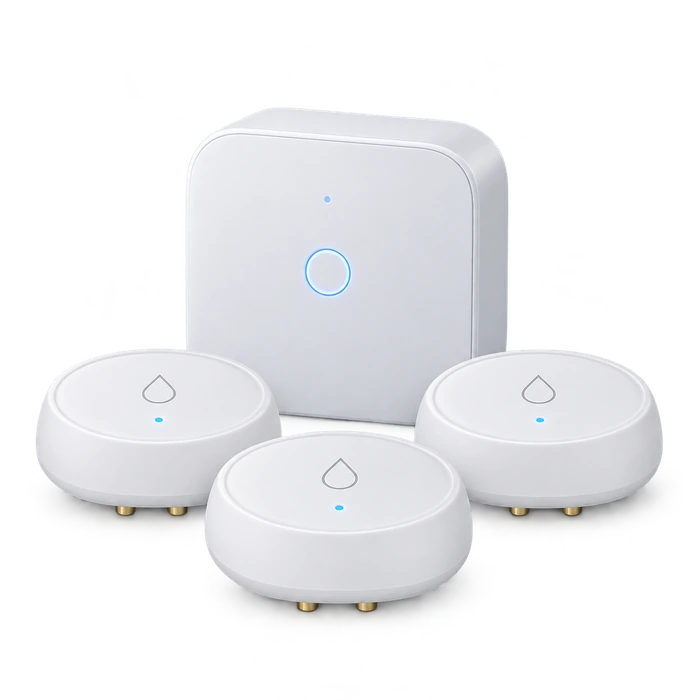
These can alert you when water reaches an accessible location indoors. They do not locate an under-slab leak or replace a plumbing assessment.
See on Amazon ↗No. Coverage depends on the policy language, exclusions, deductible, and whether the discussion is about the pipe repair itself or the resulting damage.
Document visible staining, damp materials, affected flooring, and anything else that helps show what changed and where.
Many homeowners speak with a plumber first to understand the repair scope, then use that information to have a clearer insurance conversation.
No. The plumber can explain the repair findings and scope, but only the insurer can explain policy handling.
Yes. Those details often affect how the claim is discussed and what documentation is requested.
Start by reviewing your policy details and asking the insurer what documentation is needed before repairs begin.